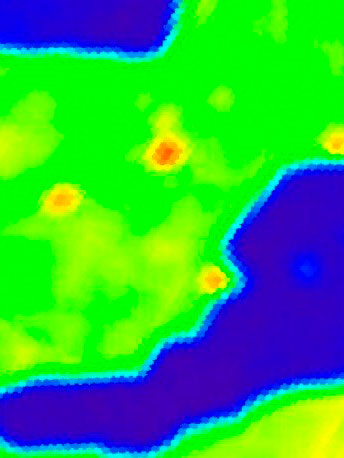
9. Wideband Digital Backend
Summary The Wideband Digital Backend project focuses on the development and evaluation of the digital backend of the receiver for…
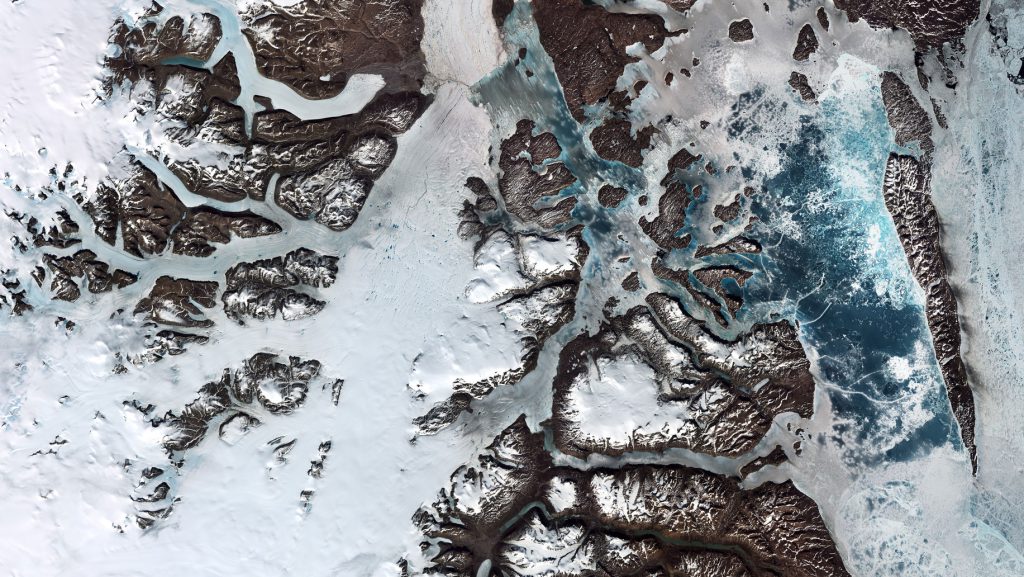
CryoRad is one of four mission ideas selected by ESA’s Programme Board for Earth observation to compete for becoming the agency’s twelfth Earth Explorer, with potential launch around 2030. It’s a single-satellite mission built around a broadband low-frequency microwave radiometer operating in the range 0.4 to 2 GHz with continuous frequency scanning. It represents a novel sensing concept designed to fill a critical observation gap in the cryosphere.
The mission targets three core scientific objectives: temperature profiles of Antarctic and Greenland ice sheets, extending from surface to base; sea ice thickness and salinity; and sea surface salinity (SSS) measurements in cold waters. The result would be a step-change in how we observe and understand Earth’s polar regions.
We are involved at multiple strategic levels of the mission’s development.
On the technical side, we develop an end-to-end simulator that digitally reproduces the full satellite behavior: data formats, instrument noise, RFI scenarios, and instrumental signatures. The simulator allows the consortium to evaluate scientific feasibility and validate design choices before committing to later mission phases, a key input for the competitive selection process.
We also contribute scientifically through participation in the Sci-Re committee, responsible for defining the scientific requirements the future satellite will need to meet.
Key activities:
Summary The Wideband Digital Backend project focuses on the development and evaluation of the digital backend of the receiver for…
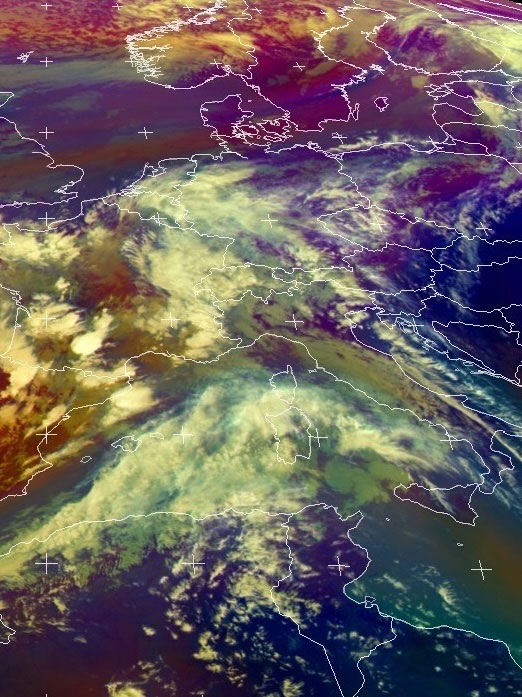
Summary DANTEX is a project led by ECMWF and funded by ESA, aimed at unlocking the full scientific value of…
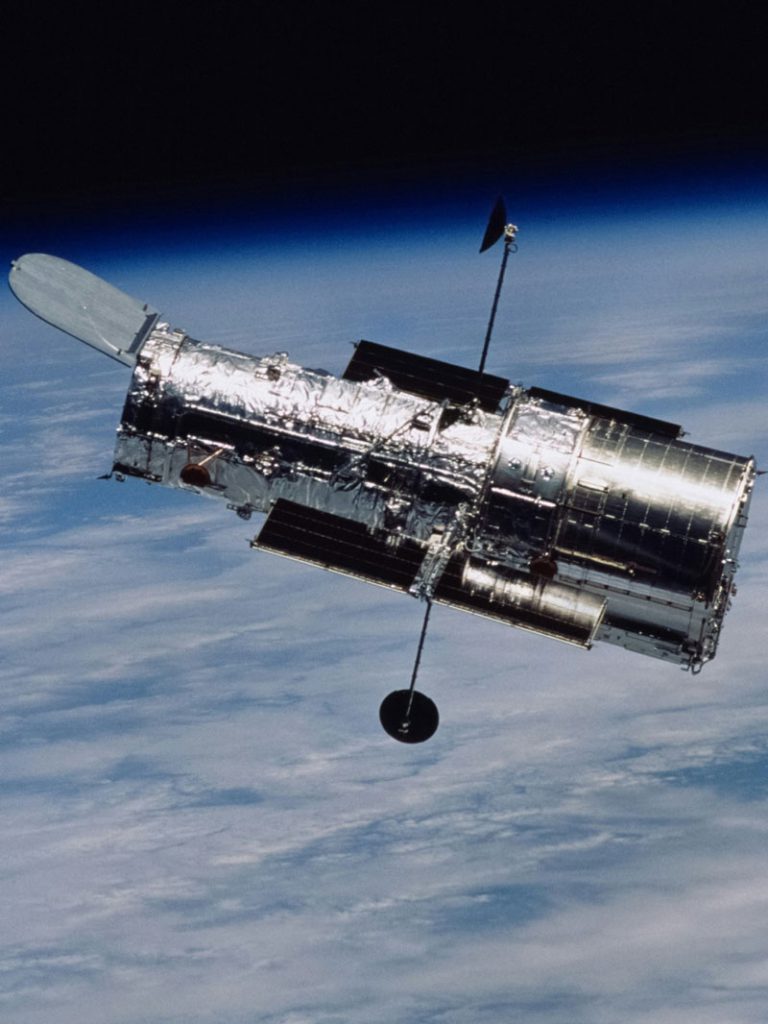
Summary COMET builds a real interface between two communities that have long worked in parallel: the Earth observation community and…