
CCI Ocean Surface Heat Flux
Summary Part of ESA's Climate Change Initiative, this project develops a new climate data record for total Ocean Surface Heat…
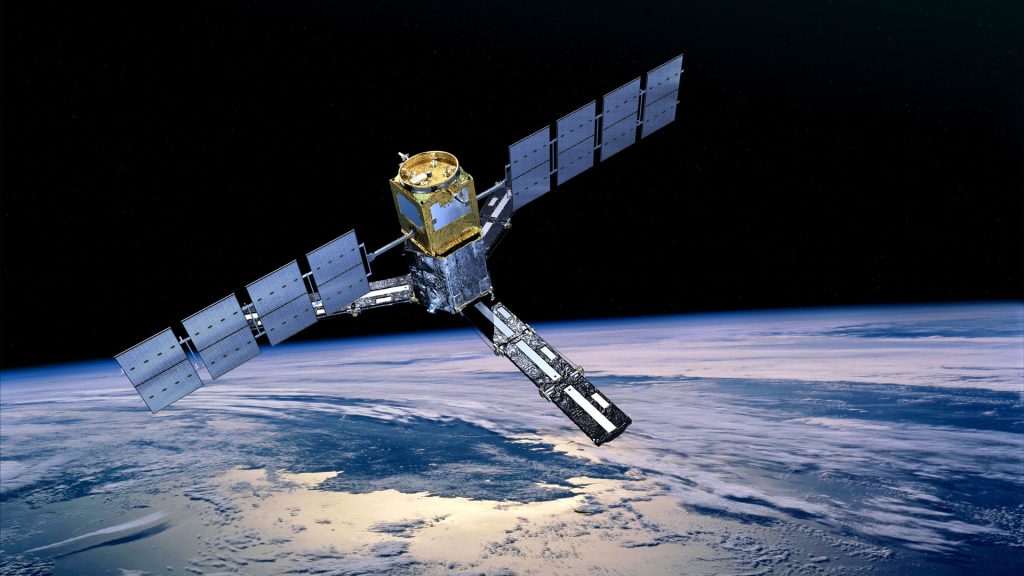
ESA’s Soil Moisture and Ocean Salinity (SMOS) mission is dedicated to making global observations of soil moisture over land and salinity over oceans, two key variables of Earth’s water cycle and recognized Essential Climate Variables. Launched on 2 November 2009 from the Plesetsk Cosmodrome, SMOS is the second mission in ESA’s Earth Explorer programme and the first to deliver global L-band brightness temperature measurements from space.
At its core sits MIRAS, the Microwave Imaging Radiometer using Aperture Synthesis, which is the first space-borne 2-D interferometric radiometer, operating in the protected 1.413 GHz L-band. Originally designed for a five-year lifetime, SMOS continues to deliver critical data more than 15 years after launch, supporting weather forecasting, climate models, sea-ice monitoring, and beyond.
We lead the instrument calibration activity, transforming raw Level 0 data into calibrated Level 1 products and ensuring brightness temperature measurements are physically consistent and scientifically reliable. We also play an active role in tackling one of the mission’s most pressing operational challenges: detection and mitigation of radio-frequency interference (RFI). RFI has become a critical issue for SMOS data quality, particularly in regions affected by jamming systems and conflict-related interference, including parts of Europe and Southeast Asia. Our work helps preserve scientific integrity in an increasingly congested RF environment.
Summary Part of ESA's Climate Change Initiative, this project develops a new climate data record for total Ocean Surface Heat…
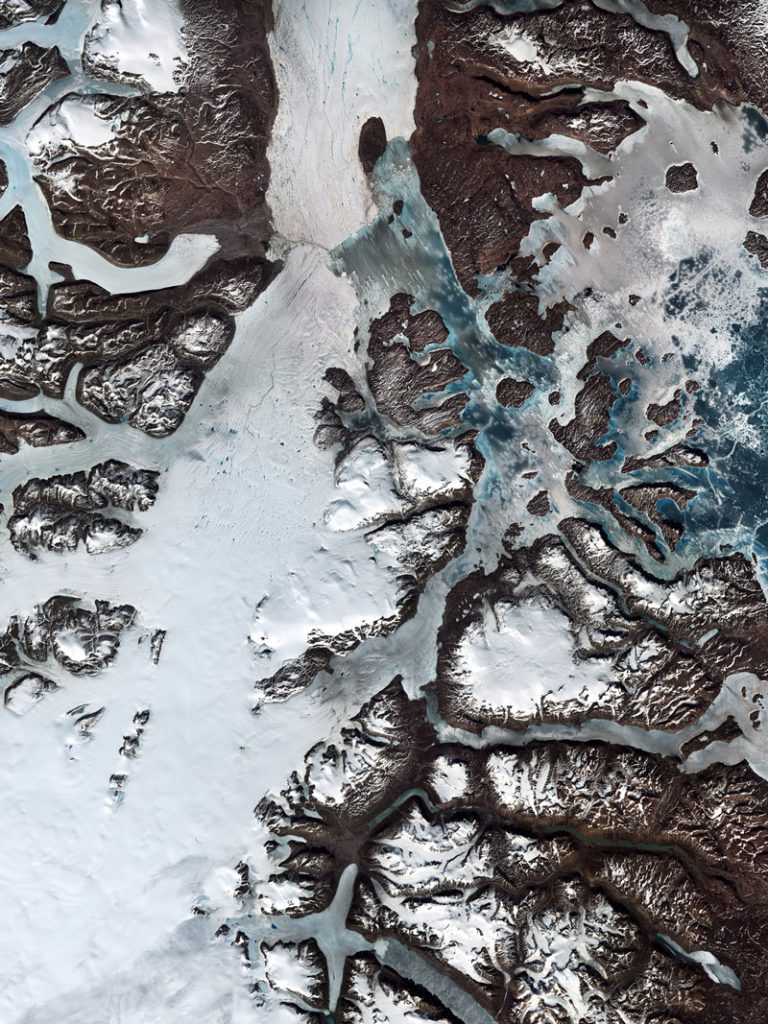
Summary CryoRad is one of three mission concepts selected by ESA's Programme Board for Earth Observation in September 2026 to…
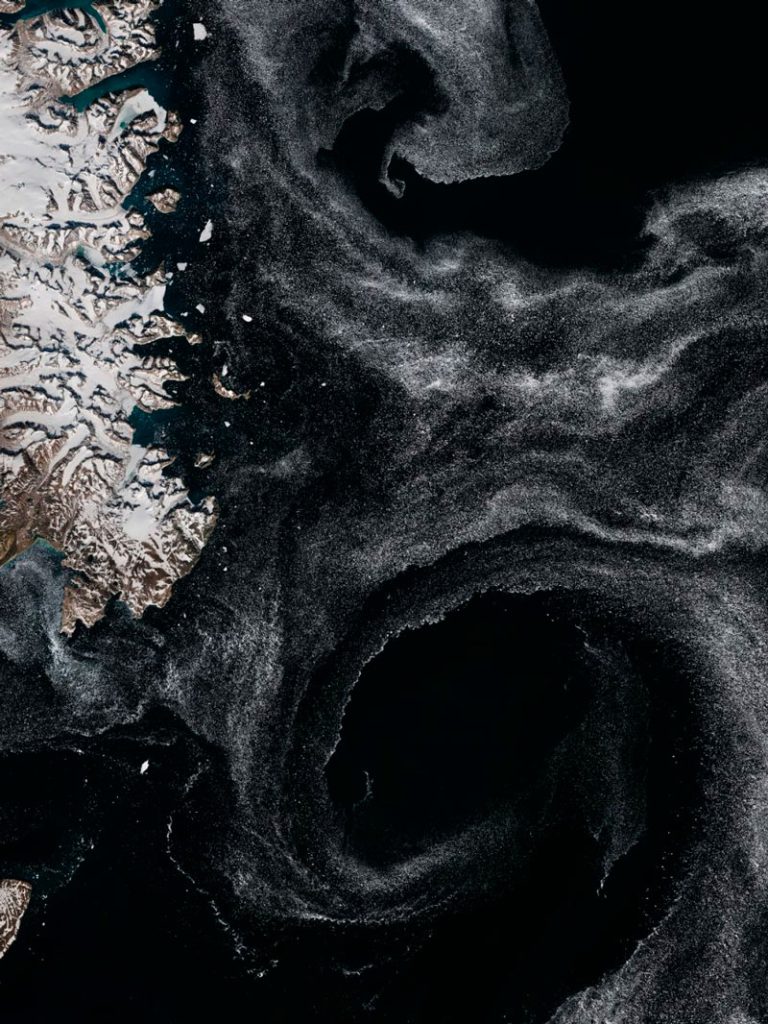
Summary Arctic-Flow is an international project investigating how Arctic and sub-Arctic ocean circulation is shifting under climate pressure. The project…